Guests
At the festival you can meet special guests from the ranks of filmmakers, filmmakers, scientists from abroad and from Czech universities.
Miki Mistrati
director
If Pigs Could Talk
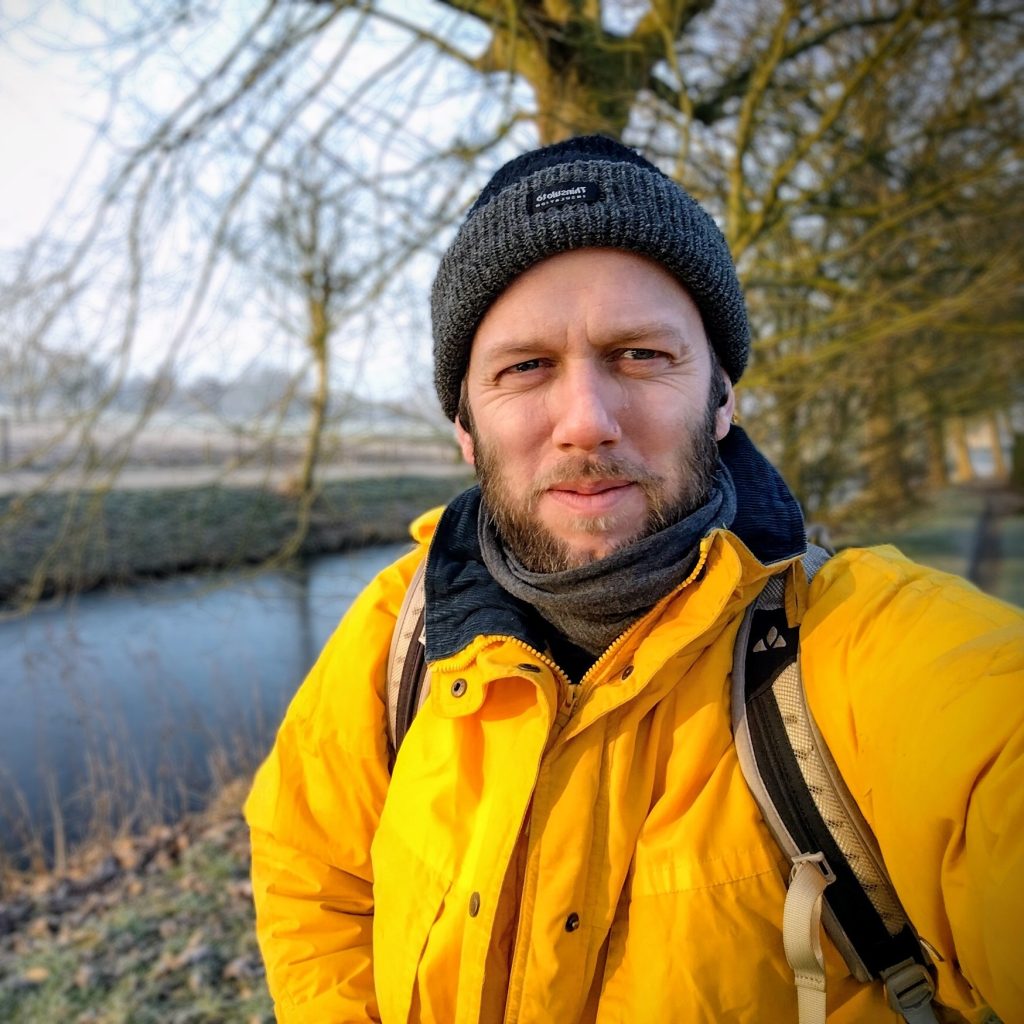
Miki Mistrati
Multi-award-winning director, Executive Producer and EMMY® nominee with 25+ years in documentaries. Creator of 85+ documentaries for the BBC, Channel 4, CBS, ARD, ARTE and more. Notable works include If Pigs Could Talk, The Chocolate War trilogy & MARS Exposed.
Ruud De Keyser
director
Sheep
Ruud De Keyser
Ruud De Keyser was born in 1984 and then studied Germanic languages. After some years in television, he decided to make films of his own, which he did. Sheep is his first film of many.
Sylvie Gilman
director
Fasting: The New Investigation
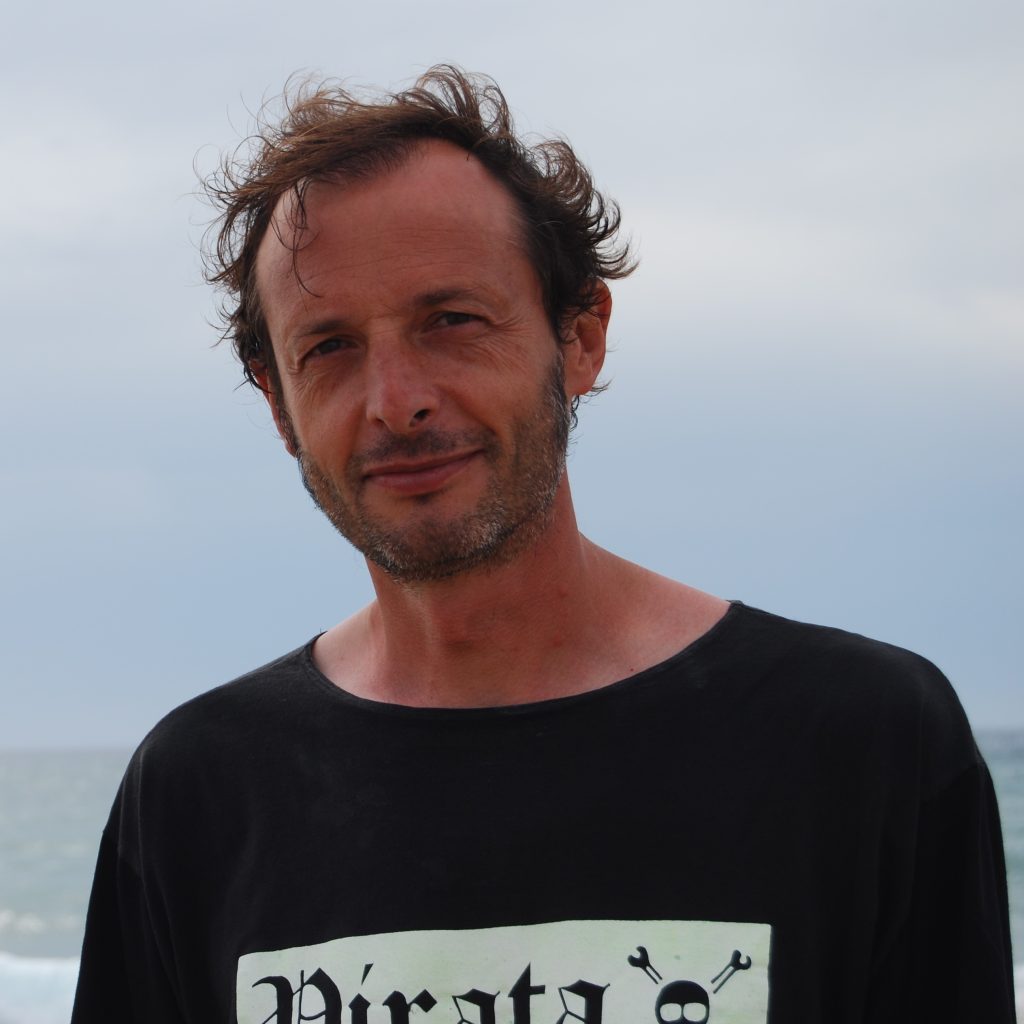
Sylvie Gilman
Sylvie Gilman is a journalist and documentary filmmaker. After exploring topics such as immigration, poverty, and justice, she turned — along with her partner Thierry de Lestrade — to issues related to health and the environment. Together, they have directed several documentaries in which social issues are examined through the lens of science. Notable examples include "Men in Danger", which exposed the effects of endocrine disruptors on fertility, thereby raising the question of the cost of our modern comforts; or in their last film, "Fasting: the new investigation", which explores fasting as a therapeutic alternative to medication for certain health conditions.
Thierry De Lestrade
director
Fasting: The New Investigation

Thierry De Lestrade
Thierry de Lestrade became an independent filmmaker after a master's degree in law and journalism studies. After documentaries films on justicial and education system , he has focused on issues of health and the environment, in collaboration with Sylvie Gilman. They seek to examine social issues through the lens of science research. Let us mention Men in Danger on fertility and endocrine disruptors; The Science of Fasting; The Altruism Revolution; The Brain in Danger or The Amazing Powers of the Gut. Fasting, the new investigation, is a sequel to their first film on the subject.
Silvia Dal Dosso
artist, director
and a researcher in digital technologies

Silvia Dal Dosso
In 2016 Silvia Dal Dosso co-founded Clusterduck, an art collective working in the fields of research, design and transmedia. With Clusterduck she co-created collective exhibitions and interactive installations such as #MEMEPROPAGANDA, Meme Manifesto, The Detective Wall, and publications such as “The Detective Wall Guide” (Aksioma, 2021). She regularly writes about art, technology and how to survive it, on Domus, Not, INC Longform, and others.
Daniel Stach
moderator
and science communicator
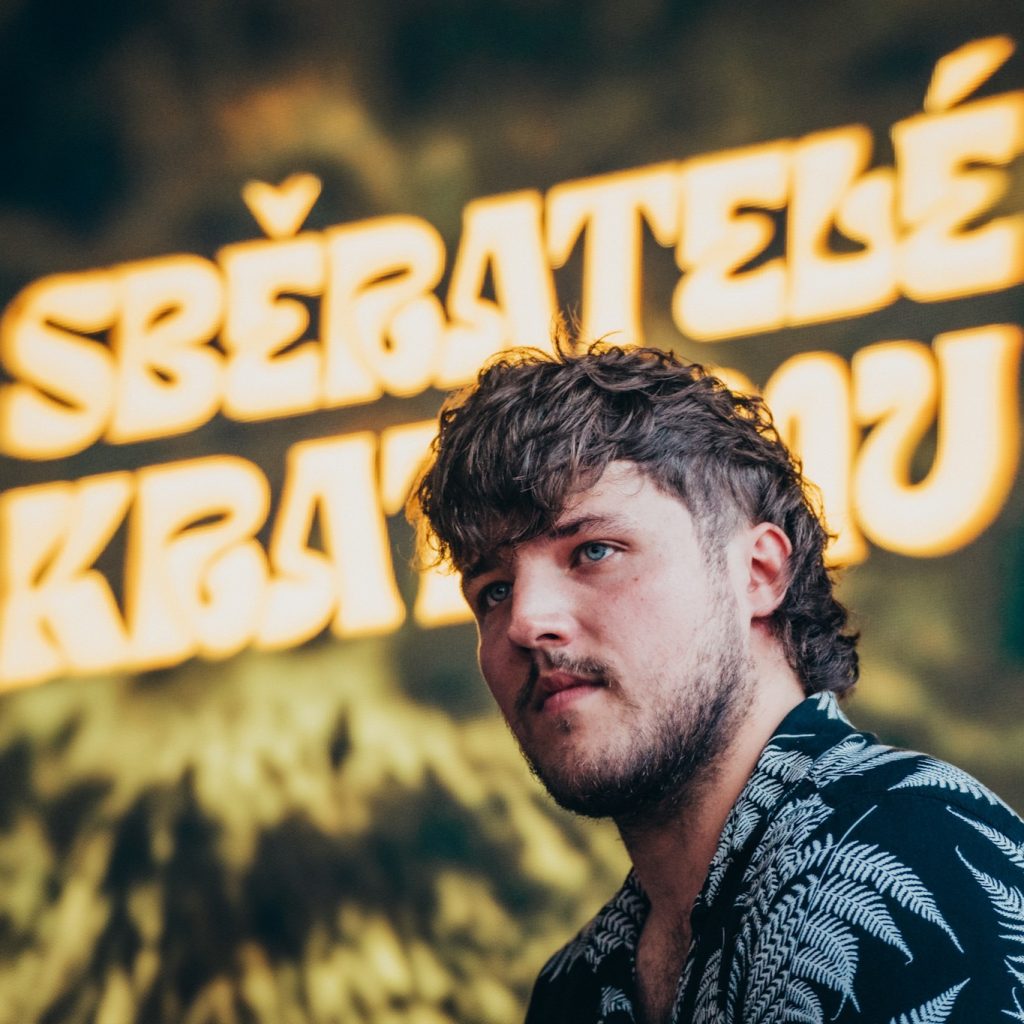
Daniel Stach
Libor Cinegr
director
The Kratom Collectors
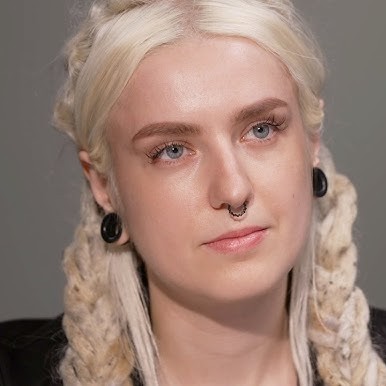
Libor Cinegr
Jana Michailidu
drug policy
specialist
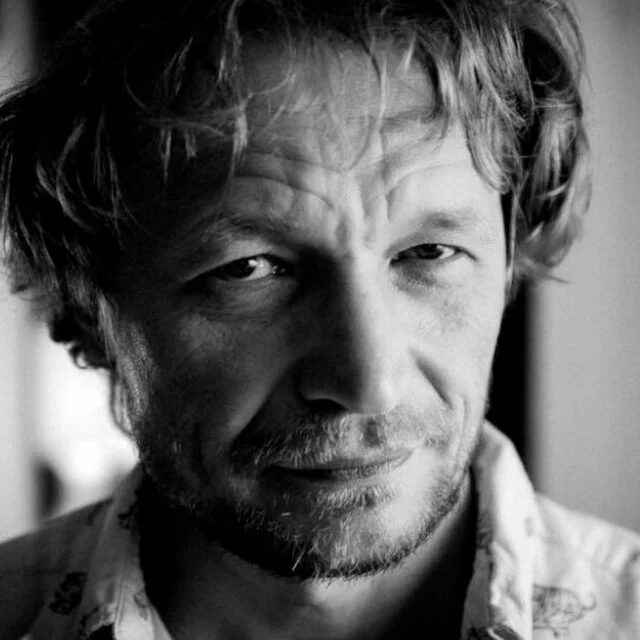
Jana Michailidu
David Čálek
director
Doctor on a Trip

David Čálek
Viktor Mravčík
addiction
epidemiologist
Viktor Mravčík
Martin Uther Duřt
researcher and
harm reduction educator
Martin Uther Duřt
Aleš Vorel
ecologist specializing
in mammal research
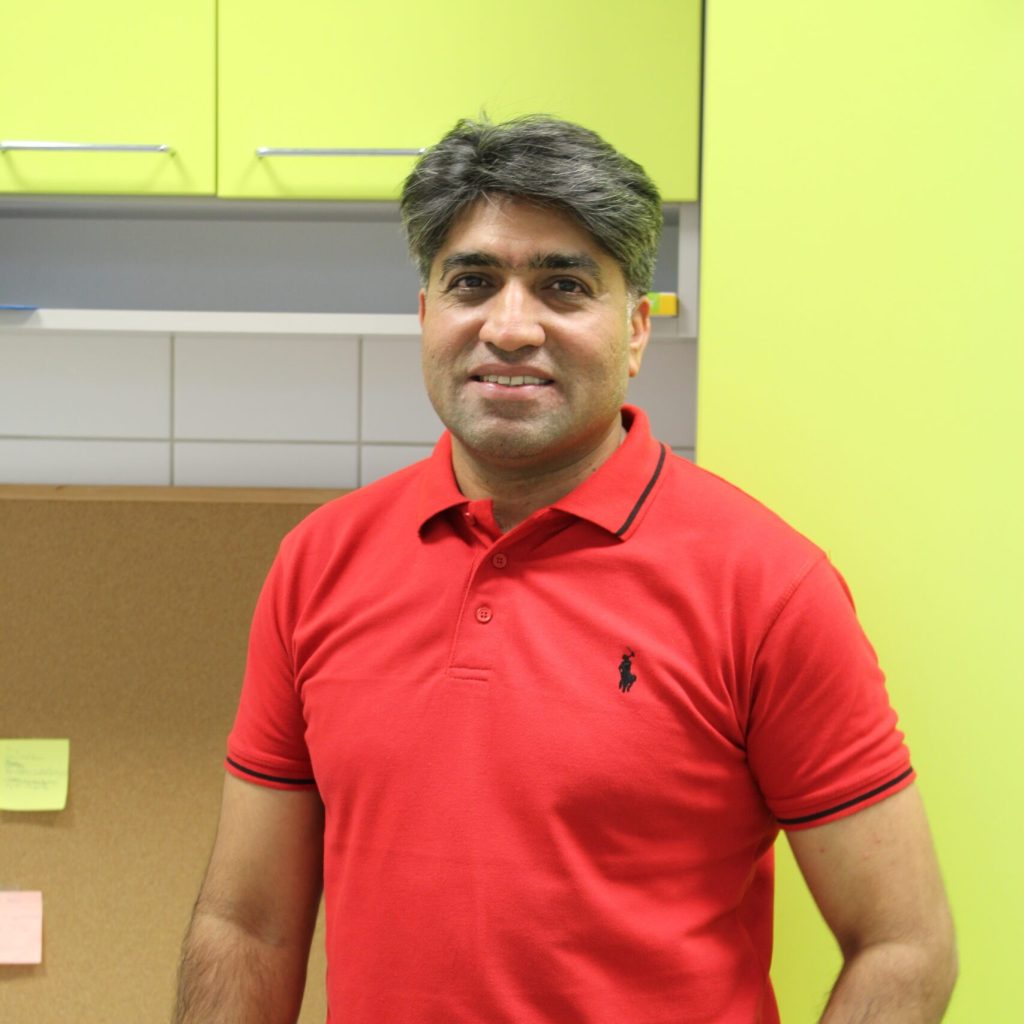
Aleš Vorel
He is involved in ecological research on mammals, especially newly expanding ones. As a rule, these are species that are newly settled in the Central European landscape, but which is strongly affected by human influence. The subject of the research are old questions - what spatial framework do these re-spreading species have or require? What landscape components do they use? What is the relationship between the resources that humans have left in Central Europe and the demands of species that are rapidly expanding? Two mammalian species can be defined as perfect models for these questions: the beaver and the wolf.
Bakht Ramin Shah
research scientist
in human nutrition
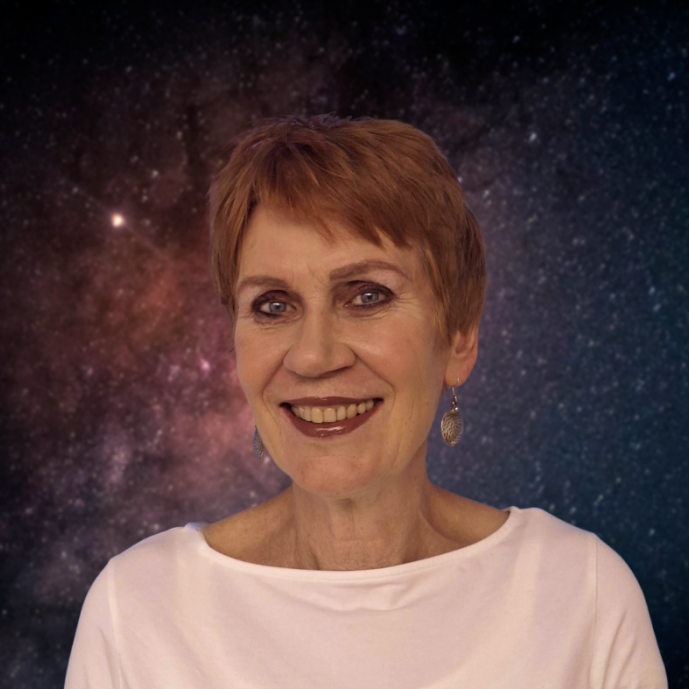
Bakht Ramin Shah
Bakht Ramin Shah received his Ph.D. in Food Nutrition and Safety (in December 2015) at the Huazhong Agricultural University, Wuhan P.R. China, where his research was focused on the synthesis and characterization of polymeric nano and microparticles for the fabrication of emulsions-based systems to be used as delivery vehicles for bioactive compounds as well as other drugs. Thereafter, he completed his postdoc fellowship at Department of Nutrition and Food Hygiene, School of Public Health, Wuhan University, Wuhan, Hubei, China.
Before joining Drift-Food ERA Chair, he worked as a Professor (Full) and Head College of Human Nutrition and Dietetics, Ziauddin University Karachi, Pakistan. Here in the Czech Republic, he worked as a researcher at the Faculty of Pharmacy in Hradec Králové, the Charles University in Prague and as a Research Scientist at the Faculty of Fisheries and Protection of Waters, University of South Bohemia. He also has worked as a lecturer at the department of Human Nutrition Agricultural University Peshawar and District Nutrition Coordinator with Merlin International UK.
He has more than 12 years of research experience and has been listed in World’s Top 2 % Scientists Based on Stanford and Elsevier Data 2024. He is the author and co-author of 61 published IF journal articles on Scopus with 27 h-index and one book chapter published by Springer Nature, having total citations of more than 2900.
In his current research he mainly focuses on the formulation of novel nutraceuticals and functional foods based on encapsulated bioactive compounds, in particular for the treatment and management of metabolic diseases like obesity, diabetes and cardiovascular diseases.
Gudrun Illmann
ethologist specializing
in
mammal research
Gudrun Illmann
Gudrun Illmann, Dr. agr., graduated in Animal Science from the Faculty of Veterinary Medicine and Animal Production at Humboldt University in Berlin. At the same university, she defended her doctoral dissertation in 1985 at the Faculty of Biology, focusing on the ontogeny of suckling behavior in miniature pig breeds within the field of animal ethology.
She works at the Institute of Animal Science in the Department of Ethology, and also teaches at the Czech University of Life Sciences Prague, Faculty of Agrobiology, Food and Natural Resources, Department of Ethology and Companion Animal Science.
Ethology is the scientific study of animal and human behavior, its causes, and its biological functions. Her research specializes in the behavior of farm animals, particularly maternal and social behavior. Over the past fifteen years, she has focused on animal welfare—the identification of welfare indicators and the search for ways to meet animals’ biological needs. Her work explores, for example, methods for assessing negative and positive emotions in animals and improving their housing conditions. She is interested in how various aspects of human behavior and housing systems influence animal behavior—both positively and negatively.